Have you ever said “get on the internet” when you really meant checking Facebook or Google? Most people do. Over 6 billion people connect daily as of early 2026, yet few grasp the basics.
This mix-up happens because the two terms overlap in daily life. You need the internet as the global network backbone. The web sits on top as the websites and pages you browse.
Knowing the difference clears confusion. It helps you chat tech smarter and pick better tools. This post breaks it down: the internet’s core, the web’s role, side-by-side contrasts, history, myths, and trends.
The Internet: The Backbone Connecting Our World
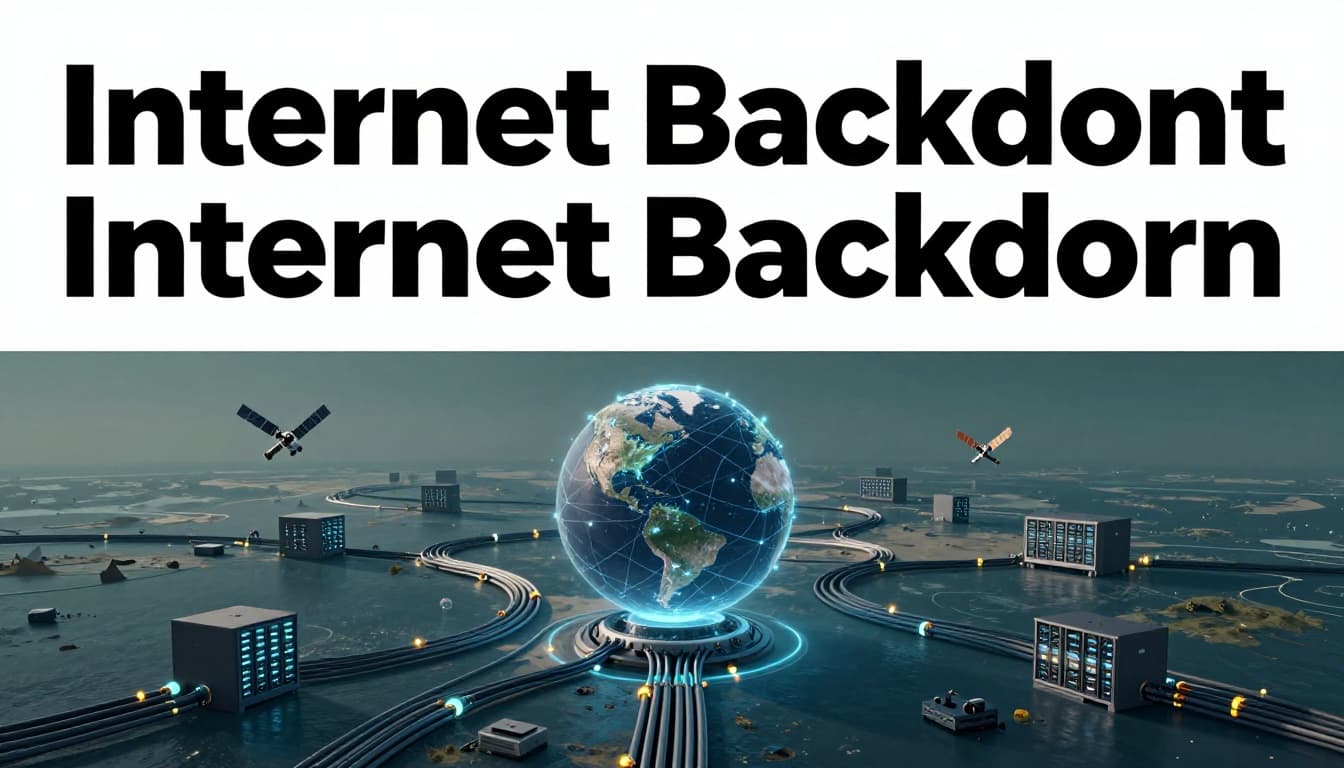
The internet links computers worldwide. It uses cables, routers, servers, and protocols like TCP/IP. Devices send data packets anywhere, fast and reliable.
Think of it as highways. Roads carry traffic. The internet moves emails, videos, and calls the same way.
It started with ARPANET in the 1960s. The U.S. military built it for secure sharing. Now it powers everything.
Key parts include:
- Hardware: Fiber cables under oceans, satellites, data centers.
- Protocols: TCP/IP breaks data into packets and reassembles them.
- Devices: Phones, laptops, smart fridges connect directly.
Without it, no online life exists.
Everyday Ways the Internet Powers Your Life
You use the internet beyond browsing. Video calls on Zoom zip data across countries. Netflix streams movies from distant servers.
Emails fly via SMTP protocol. Online games sync players in real time. Smart thermostats phone home for updates.
In short, it connects devices globally. For example, your fitness tracker uploads steps to the cloud. All this happens device-to-device, no browser needed.
The World Wide Web: Websites and Pages You Actually See
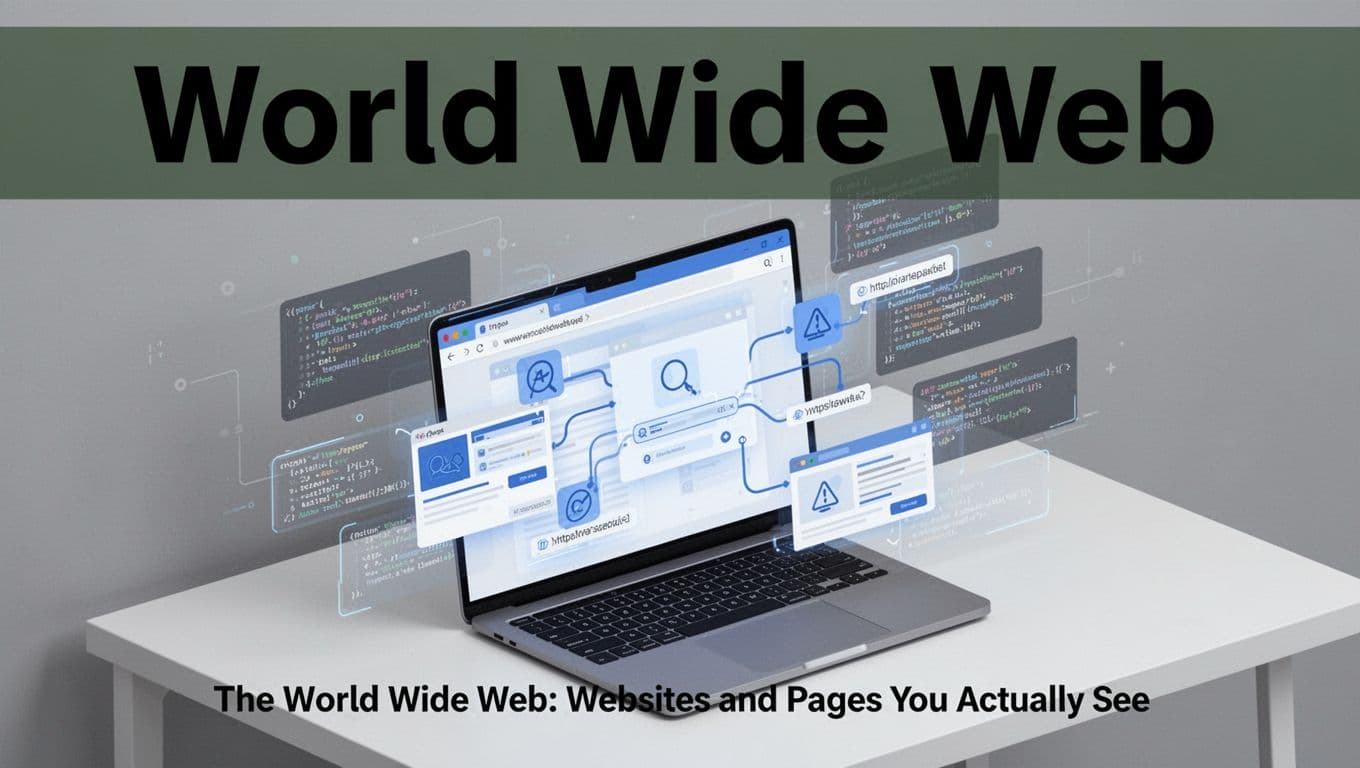
The web, or WWW, runs on the internet. It serves linked pages via HTTP or HTTPS. Browsers like Chrome fetch them using URLs.
Tim Berners-Lee invented it in 1989 at CERN. The first site launched in 1991. It made info sharing simple.
Key elements:
- HTML: Builds pages with text, images.
- Hyperlinks: Click to jump sites.
- Browsers: Display everything neatly.
The web needs the internet. Servers send pages over those highways. It’s one service among many.
For details on its birth, check CERN’s short history of the Web.
How the Web Brings Information to Your Screen
You type a URL. The browser asks the internet for the page. Servers reply with HTML, images, videos.
Click a link. It loads a new page instantly. Google searches pull results this way. Social feeds update with fresh posts.
Yet email or file sharing skips this. They use other internet paths. The web shines for visual, linked content.
Spotting the Real Differences: Internet vs. Web Side by Side
People swap terms because the web dominates browsing. But the internet does more. Here’s a quick comparison:
| Aspect | Internet | World Wide Web |
|---|---|---|
| What it is | Global network of devices | Service for linked web pages |
| Protocols | TCP/IP, SMTP, FTP | HTTP/HTTPS |
| Scope | All data services (email, apps) | Websites only |
| Access | Any connected device | Web browsers |
The internet acts as the superset. The web is a popular subset. See a clear breakdown at Position Is Everything’s WWW vs. Internet guide.
A Simple Analogy to Nail It Down
Roads form the internet. They span cities and countries. Delivery trucks use them for packages.
The web equals billboards or GPS maps on those roads. You see ads or directions. But roads handle mail trucks too.
This setup spread info fast. It turned a tech tool public.
History, Teamwork, Myths, and What’s Happening Now
ARPANET launched in 1969. It grew into NSFNET by the 1980s. The modern internet emerged.
Berners-Lee added the web decades later. It rode existing networks. For ARPANET origins, read HistoryThinking’s account from ARPANET to Web.
Today, over 6 billion users spend 6+ hours online daily. Mobile rules. AI boosts searches. Web3 experiments, but basics hold.
Top Myths That Trip People Up
- Myth: Web equals internet. No. Web is just websites on the network.
- Myth: Same age. Internet predates web by 20 years.
- Myth: All use is web. Email, streaming skip browsers.
Clear these. You sound sharper in talks.
Wrapping It Up: Grasp the Basics, Level Up
The internet builds the network. The web delivers sites on it. This split explains your daily tech.
You chat better now. Pick services wisely. Next time you stream or browse, picture those highways below.
Share this if it clicked. What surprises you most about the difference?